
Spring 2027
To choose your preferred course, review the descriptions below, then find the appropriate section in the Course Scheduler.
| Course | Title | Instructor | Course Meeting |
|---|---|---|---|
| FWIS 203 |
NEW Representation in the U.S. View Description
In this course, we will return to foundational texts in American political thought as well as contemporary scholarship in political science to examine whether the U.S. government serves as an effective representative of the people. The framers of the Constitution designed an intricate system of checks and balances, intentionally setting up institutions that are more or less responsive to changes in public opinion and to each other. We will analyze the U.S. Congress, courts, and executive, assessing how each branch of government operates in practice and whether they continue to function as intended in the modern era. How does American democracy work well, and where does it fall short? Is it possible to build a government that is truly of the people, by the people, and for the people? |
Koch, Tabitha | MWF 1-1:50 |
| FWIS 204 |
NEW Natural Disasters View Description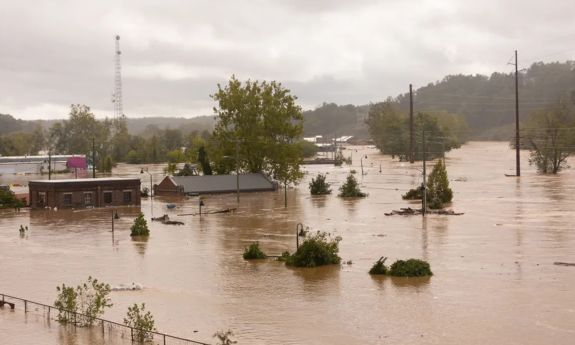
This course will survey a variety of types of natural disasters that have–or could–impact much of the world. Special attention will be paid to recent natural disasters in the United States, but the course will also attend to disasters from far in the past and outside the US as well. Because of their national, sometimes worldwide attention, there is a rich scholarly and public attention on natural disasters and their impacts. This attention has produced a variety of rich texts, but also a number of non-textual sources that the course will consult as well. We will engage with this media, with special attention to how disasters happen, how we can better prepare for them, and how these disasters disproportionately impact some groups within the larger body politic. |
Buffa, Logan | MWF 2-2:50 |
| FWIS 205 |
NEW Queerness Across Cultures View Description
This course examines various configurations of (what we today call) “queerness” across cultures, both ancient and contemporary. Engaging with a wide variety of texts across genres and mediums—myths, folktale, short stories, poetry, music, cinema, TV shows—we will study how conceptions of gender and sexuality vary widely between different historical and sociocultural contexts. We will also explore the complex and often fraught connections between different understandings of gender and sexuality and the broader systems of power and knowledge. Together, we will develop context-sensitive and diverse expressions of desire that support open, respectful ways of articulating queerness—as a way of being that goes beyond the conventional boundaries of gender and sexuality. |
Banerjee, Agnibha | MW 4-5:15 |
| FWIS 210 |
NEW Masters of Disguise View Description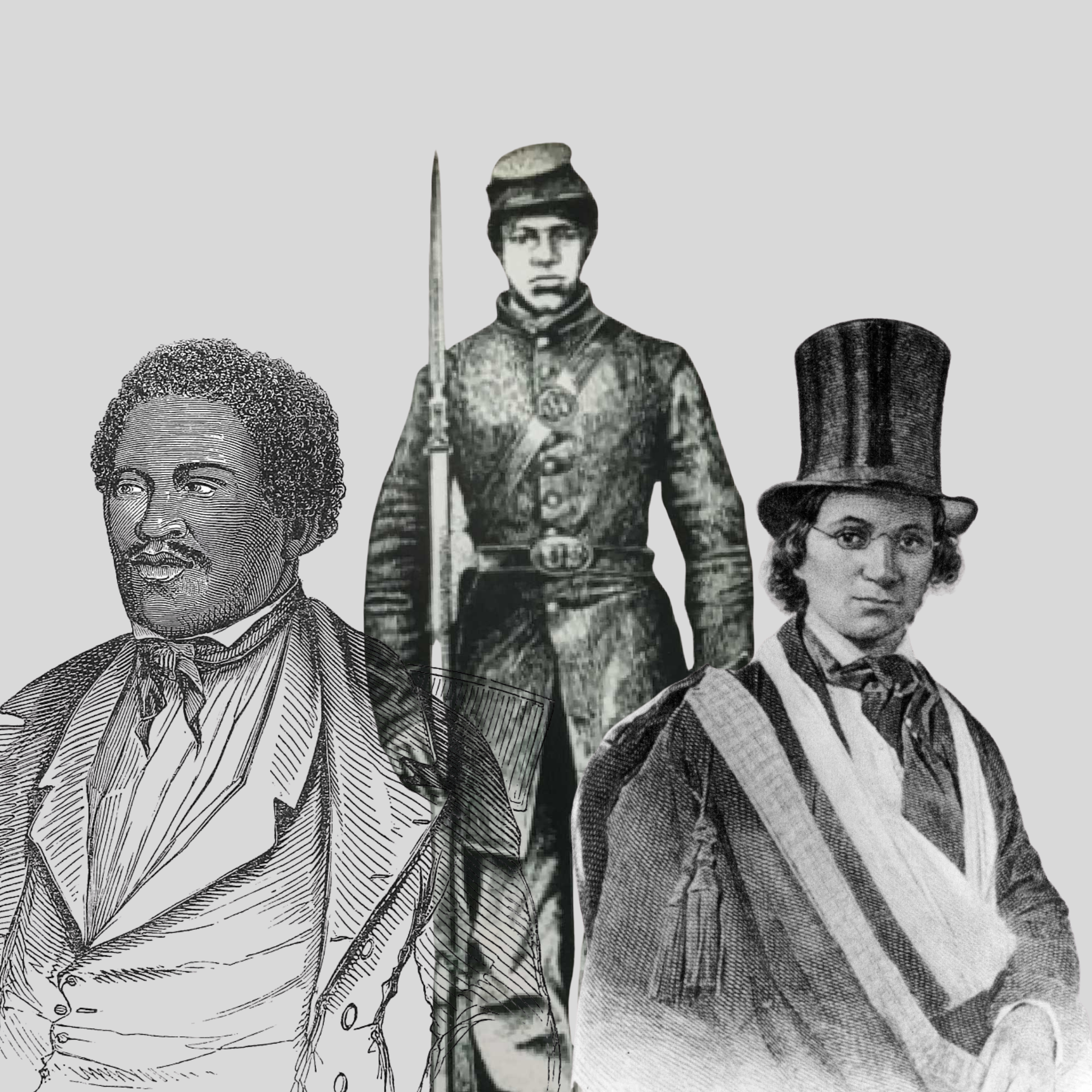
Who’s who in history? And what if we don’t know? This course explores historical examples of people disguising themselves in diverse ways for a variety of purposes. By examining how people from the past mis/represented themselves, this course asks students to think critically about identity and how it is constructed. Learners will also consider how membership and exclusion from certain groups shapes societal perception and one’s place in social hierarchies. Centering these ideas in the 19th and 20th century United States, this course assesses the impacts of the past on present perceptions and representation of race, gender, and other key characteristics of identity. By highlighting connections to student experiences and real-world examples, this class promotes the relevance of the past and historic bases of identity, a topic that remains central to our understanding of society. |
Bettin-Coleman, Morgan | MWF 1-1:50 |
| FWIS 212
2 Sections |
NEW Examining Hustle Culture View Description
What is "hustle culture" and where does it come from? In this course, we will draw on social theory, cultural studies, philosophy, and film to examine hustle culture as a social and ideological phenomenon. Through these sources, we will trace how hustle culture emerged from longer histories of capitalism, social inequality, and shifting labor conditions. Students will explore how factors such as race, gender, class, and immigration status shape work experiences and narratives of hustling. We will ask: who is valorized for hustling, who is merely expected to hustle, and who must hustle to survive? Analyzing the gig economy of the past two decades, we will also examine how work itself has become more individualized and precarious. Lastly, we will follow the movements of resistance to hustle culture ideology: from labor organizing to philosophical cases for rest and a life measured by alternatives to productivity. |
Georgic, Quinn |
MWF 10-10:50 MWF 11-11:50 |
| FWIS 216 |
NEW What We Owe to Each Other View Description
"Discussions of ethics are central to our current moment; between a global pandemic, tumultuous presidential election, and rampant disinformation campaigns online, we find ourselves in a challenging time. How will we meet it? How can we be “good”? What do we owe to each other? |
Parker, Steph | TTh 2:30-3:45 |
| FWIS 218 |
Bad Moms: The Rhetoric and Reality of American Motherhood View Description
From Mother’s Day flowers to political speeches, to divine mothers who embody sacrifice and purity, mothers are celebrated for their selflessness and praised for their tireless labor of love – but not all of them. In culture, politics, economics and the law, notions of good mothers and bad are narrowly defined along lines of social class, race, gender, sexuality, and other markers of social identity. This course is about the “bad” moms. Over the semester, we’ll examine the distance between the rhetoric and reality of American motherhood by looking at the experiences of mothering parents who do not fit the social ideal - working mothers, immigrant mothers, mothers who are single, young, absent, sick, mothers who are mad. Along the way, we’ll experiment with engaged reading and writing practices as we explore new ideas, examine our own assumptions, and work toward deeper understandings, and more meaningful modes of communication. |
Cummins-Munoz, Elizabeth | TTh 1:00-2:15 |
| FWIS 219 |
Life Writing: Our Stories, Our Selves View Description
“People become the stories they hear and the stories they tell.” So wrote Elie Wiesel after struggling for a decade thinking about whether and how he would tell his story of the Holocaust, a story that became the memoir "Night." If it is true that in some important sense, we are our stories, we do well to reflect on those that mean the most to us, those that we return to and those that come to us along the way, surprising and changing us. We will read and discuss diverse historical and contemporary examples of “life writing,” including memoirs, biographies, autobiographies, diaries, and letters. We will also do “field work,” collecting stories from friends, family members, or public figures. Our field experiences will be shared and workshopped, and we will use writing and/or visual storytelling to produce “unfinished memoirs” by the end of the semester. |
Monroe, Bill | MW 2-3:15 |
| FWIS 221 |
Time Travel Narratives View Description
Throughout the twentieth century, science and science fiction participated in a shared economy of inspiration, each stirring the other to new creative potential. While this trade also manifests in post-apocalyptic tales and stories of space exploration, nowhere is it more delightful, theoretical, and mind-boggling than in the dance between theoretical physics and time travel narratives. This course investigates the historical, aesthetic, and scientific connections between the authorial and scientific co-creation of time travel. Our central quests will be to define the relationship between scientific and narrative jumps through time, as well as forge, as a class, a general understanding of how our culture represents time travel, given not just technological limitations, but also the historico-cultural limiting factors of gender, race, politics, and language. |
Richardson, Laura | TTh 2:30-3:45 |
| FWIS 222 |
NEW Culture and the Environment View Description
Our interactions with our environment shapes much of our daily lives. And yet, we often do not think critically about how our relationship with landscapes and nonhumans are shaped by culture. In this course, we will read texts from anthropology, geography, as well as works of fiction to introduce students to the various ways humans experience and interact with the environment. Across these disciplines we will consider how communities are entangled with nonhuman species and landscapes. By recognizing interactions with the environment are always mediated by culture, politics, and history, we will examine how factors such as gender, race, or class shape access to and relationships with land. Reading topics will range from studies of colonial expansion, to contemporary forms of extractive capitalism, to speculative works on the future of the world. |
Georgic, Quinn | MWF 1-1:50 |
| FWIS 223 |
NEW Star Wars at 50 View Description
With all of the movies, TV shows, books, comics, video games, etc. that now constitute the Star Wars canon, it's easy to forget that the franchise began in 1977 with a single low-budget film that somehow captured the world's imagination. The original film (titled simply, "Star Wars") shattered box-office records, launched a merchandising empire, and changed popular culture forever. The subsequent release of The Empire Strikes Back and The Return of the Jedi further cemented the franchise as one of the most influential pop-culture phenomena of all time. In this course we'll immerse ourselves in the Star Wars era of the late 70s and early 80s as we try to unpack how the trilogy both shaped and was shaped by Reagan-Era U.S. culture, and try to understand what qualities of the trilogy enabled it to endure so far beyond the cultural moment that produced it. |
Messmer, David | TTh 1-2:15 |
| FWIS 224 |
NEW The Ethics of Consent View Description
A philosophically oriented course on one of the important concepts in contemporary ethics: consent. The first weeks will address the more abstract questions: What is consent? How does it work? Why do we need consent as a social and moral principle: is it to protect individuals from harm, to safeguard our personal autonomy, to foster trust? Under what conditions is consent morally valid: does a 'yes' always mean 'yes'? Should consent always be informed? The remainder of the course will be dedicated to the 'applied ethics' of consent: to the ethics of consent as it arises in different domains of life. We will focus on consent to sexual relations, consent to medical treatment, and consent to government. No prior background in philosophy is required; the course is open to students from all disciplines. |
Shemi, Nahum | MWF 2-2:50 |
| FWIS 226
2 Sections |
NEW Black Mirror View Description
This course examines key philosophical questions through the lens of Black Mirror, the Netflix anthology series that explores the dark intersections of technology and human nature. Pairing episodes with philosophical texts, students will critically engage with issues that shape their daily lives. Is democracy truly the best form of government? (The Waldo Moment). How much freedom should individuals have in speech and action? (Hated in the Nation, Nosedive). Do I have free will? (Bandersnatch). If not, am I still responsible for my actions? (White Bear). What makes me the same person over time? (San Junipero). What are my moral obligations to others—human, animal, or artificial? (Be Right Back). By analyzing these themes, students will deepen their understanding of contemporary ethical dilemmas and the evolving relationship between technology and society. |
Pinto, Daniel |
TTh 2:30-3:45 TTh 4-5:15 |
| FWIS 230 |
Posthumanism View Description
In this class, we will explore shifting definitions of the “human” in an increasingly technologized world through E.M. Forster’s “The Machine Stops” and Jeanette Winterson’s Frankissstein. We will examine how literature has shaped and challenged ideas about human identity, autonomy, and superiority and question whether the state of being human is fixed or fragile. Drawing from posthumanist theory, we will investigate how advances in digital technology and medical science are complicating our understanding of humanity. We will consider ethical questions about human rights - and who/what has rights to them - cyborgization, and what it means to lead a posthuman existence. Ultimately, we will ask whether we can survive the posthuman world we are creating. |
Smith, Amanda | TTh 1-2:15 |
|
FWIS 234 2 Sections |
Meiji Japanese Women’s Literature: Then and Now View Description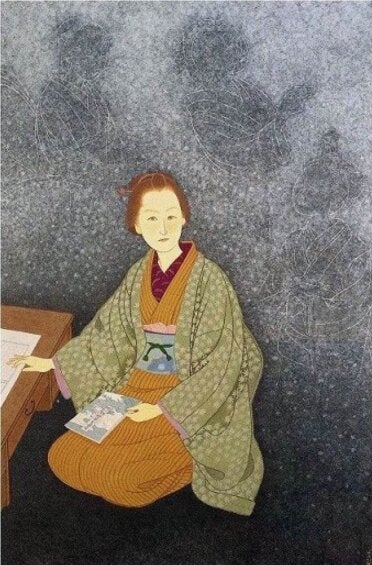
This writing-intensive seminar examines Meiji period (1868-1912) women’s writings and what they tell us about women’s lives and cultural output at the start of Japan’s modern period. We will discuss fiction, speeches, diary entries, and newspaper articles and their historical, cultural, and literary contexts. Women were at the heart of transformations in education, the law, print media, and art. Students will participate in presentations that analyze women’s place in visual culture, fashion, and education of the period and these depictions still impact women’s social and literary identities today. |
Suzuki, Mamiko |
MW 2-3:15 MW 4-5:15 |
| FWIS 237 001
FWIS 237 002 |
Popular Music and American Culture View Description
This course offers an introduction to the field of cultural studies by focusing on the significance of popular music in American culture. In addition to developing your interpretive toolkits, critical thinking skills, and writing abilities, it will allow you to explore a number of key questions about the aesthetics, poetics, and politics of popular music. From lessons on various forms of music writing to critical studies of subcultures and scenes, this class will help you to think more deeply not only about music itself, but about the other issues (identity, taste, race, gender, sexuality, class, etc.) we talk about—consciously or not—when we talk about music. |
Klein, Andrew Nixon, Burke |
MWF 1-1:50 MWF 1-1:50 |
| FWIS 239 |
NEW Iranian Cinema View Description
Iranian cinema is renowned worldwide for being both artistic and deeply emotional, often thriving despite strict government regulations. Because they have to follow strict censorship, filmmakers have become creative by using simple, low-budget stories that focus on real life rather than flashy spectacles. Generations of Iranian film directors have won top honors at major film festivals like Cannes, Berlin, and the Oscars. Key elements of Iranian cinema include Realism (everyday settings and non-professional actors to tell authentic, intimate stories); Subtlety (metaphors and hidden meanings to explore sensitive social issues, without directly violating censorship laws); and Universal Themes (human stories that anyone can relate to, such as honesty, dignity, and resilience). The course is structured around three writing assignments (analysis, argumentative, and a final research paper) based on seven major films, with class time divided between screening key scenes and discussion. Students can access the films through Fondren Library. |
Zafaranian, Neda | TTh 9:25-10:40 |
| FWIS 240 |
Film, Fiction and History View Description
In the twentieth century and beyond, movies and television serve as an important source of mythologized national narratives (or somewhat “faked news”) from war movies, to westerns, to “biopics” of figures such as Kenneth Turing. Are their patterns of distortion at work we can identify? How do we correct them? |
Derrick, Scott | TTh 4-5:15 |
| FWIS 241 |
NEW Applied Research and Inequality View Description
This First-Year Writing-Intensive Seminar invites students to explore how researchers study social inequality, with a focus on education. Instead of learning complex statistics, students will learn how to think with data: how researchers ask questions, use evidence, and make arguments about schools, opportunity, and fairness. The course uses a mix of research articles, short policy briefs, data visuals, and accessible journalism to show how evidence is used in real-world debates about education. Students will practice reading carefully, questioning assumptions, and explaining ideas clearly to different audiences. Writing is central to the course and used as a tool for thinking and learning. Through short, low-stakes assignments and larger projects, students will build skills in analyzing claims, supporting ideas with evidence, and communicating clearly in both written and visual formats. By the end of the course, students will be more confident readers, writers, and critical consumers of information. |
Thomas, Tori | TTh 4-5:15 |
| FWIS 242 |
Water and Cities View Description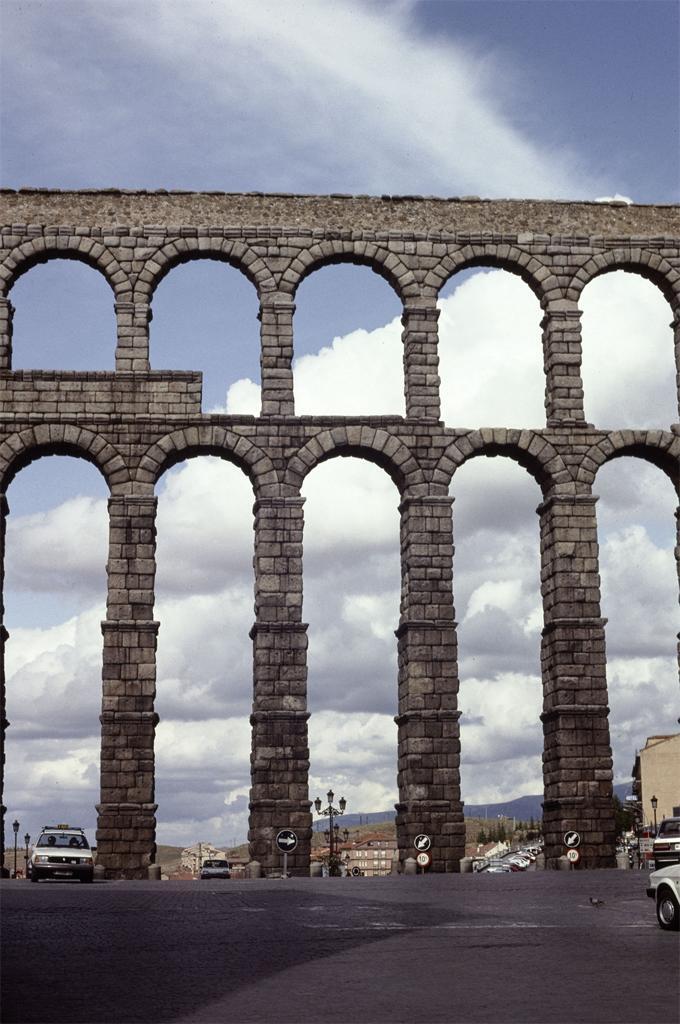
This FWIS investigates ancient, historical, and modern cities and the ways their residents received water. A city must have water, and all cities depend on complex water systems. Waterworks are unique to each city, and they reflect the natural setting of the city as well as the choices made by residents and governments. We shall approach water and cities to understand how cities developed their water resources, how the delivery of water shaped city life, and how the environment was affected. Students will be able to select a city and a water topic of their choice for their final presentation and written assignment. The seminar will follow the strategies for teaching writing and effective communication developed by the FWIS program at Rice. The seminar meetings will emphasize discussion of common readings, effective writing, presentations of specific readings by students, and oral presentations of final projects. |
Metcalf, Alida | MW 2-3:15 |
| FWIS 245 |
Museums in World History View Description
Drawing on cultural representations and animal fads from across the world, this course invites students to critically explore our relationship with animals in our current globalized, consumerist, and polarized societies. The course specifically invites students to explore the contemporary fascination with cute and weird animals (e.g. such as sloth, capybara, and axolotl). The course asks what our treatment and representation of animals reveal about power, identity and consumption, and the human/nonhuman divide in the 21st century. Students will discuss how animals shape—and are shaped by—contemporary culture, politics, media, and science, and how, in turn, animals and their different forms of perception and being in the world and their representation shape us humans. Overall, the course shows that animals are central to human ways of knowing, imagining, and existing in the world. |
Ward, Kerry | TTh 2:30-3:45 |
| FWIS 252 |
NEW Art and Identity in Modern Brazil View Description
This course will explore how rhetoric and writing can impact romance and dating. Students will learn communication and critical thinking skills through reading and writing about romance, with particular attention to audience, context, and purpose. Our key course question is, How can writing and communication impact romantic and dating experiences? Students will conduct research in rhetoric and social sciences to learn about dating practices and how identity markers influence romantic relationships. Students will move through a variety of assignments, such as a rhetorical analysis of a dating profile, to learn more about romance, dating, and rhetoric. |
Lee, Lynne | MWF 9-9.50 |
| FWIS 254 |
NEW Happiness, Virtue, and Meaning View Description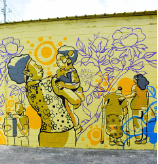
This course examines care and inequality in a world interconnected by histories and legacies of slavery, colonialism, and imperialism. The labor of care, which includes feeding, cleaning, and nursing others, “is the work that makes all other work possible” (National Domestic Workers Alliance). However, it is often underpaid and exploitative, creating conditions where people who provide care often cannot access reciprocal means to live. To understand the contemporary crisis in care, this course examines the histories of slavery, gendered servitude, immigration, and unequal economic development. We’ll explore how everyday relationships and seemingly depoliticized sites of family both reflect and shape gendered, classed, and racialized hierarchies locally and transnationally. Ordinary people and workers, however, also contest this power structure. In this class, we will read, discuss, and engage with ongoing movements to counter the systemic devaluation of care in the US and elsewhere in the world. |
Saenz, Victor | TTh 10:50-12:05 |
| FWIS 257 |
NEW Writing about Martial Arts Media View Description Although Houston is widely known as the Space City and the Energy Capital of the World, it is also home to one of the most diverse and historically important art scenes in the US. This course explores the breadth and depth of Houston’s art world by examining a selection of art museums, centers, and galleries within and beyond the Museum District, including Project Row Houses and the University Museum at Texas Southern University. For each site, we will consider its institutional history, mission statement, curatorial approach, and community engagement. We will also highlight the African American, Latin American, and Asian contributions to the making of Houston’s vibrant artistic landscape and delve into the city’s history of racial segregation and immigration. Students will experiment with a variety of writing genres such as museum wall labels and exhibition reviews and will collectively create an audio guide for navigating Houston’s art world. Although Houston is widely known as the Space City and the Energy Capital of the World, it is also home to one of the most diverse and historically important art scenes in the US. This course explores the breadth and depth of Houston’s art world by examining a selection of art museums, centers, and galleries within and beyond the Museum District, including Project Row Houses and the University Museum at Texas Southern University. For each site, we will consider its institutional history, mission statement, curatorial approach, and community engagement. We will also highlight the African American, Latin American, and Asian contributions to the making of Houston’s vibrant artistic landscape and delve into the city’s history of racial segregation and immigration. Students will experiment with a variety of writing genres such as museum wall labels and exhibition reviews and will collectively create an audio guide for navigating Houston’s art world. |
Schoenberger, Casey |
TTh 10:50-12:05 |
| FWIS 259 |
NEW Stravinsky, the Ballets Russes, and the Birth of Modernism View Description
This writing-intensive seminar examines how and why the spread of disinformation has become increasingly more prevalent in our 21st century society and what impact it has on our democratic processes. We will take an interdisciplinary approach to discussing fake news, drawing from history, philosophy, journalism, media studies, and political science. |
Ferris, David | TTh 1-2:15 |
| FWIS 260 |
Indigenous Environmentalism View Description
How do we respond to a traumatic event? Anger, denial, acceptance, reconciliation… there are many stances we can take toward a harmful act we have experienced or committed in the past. When entire populations have suffered or perpetrated crimes against humanity, the question of how to deal with this catastrophic event can spark a full-blown memory war. This seminar explores how the Holocaust, slavery, and apartheid continue to shape communities and individuals in Germany, South Africa, and the U.S. Students will examine the challenges of reckoning with historical trauma. We will inquire into the power of literature and the arts to serve as tools for healing and social justice in a society at war with its past. Readings include acclaimed writers from Paul Celan and Toni Morrison to Trevor Noah. Topics include transgenerational trauma; Germany’s and South Africa’s so-called “ethical turn in memory culture;” punitive vs. restorative justice. |
Gyal, Huatse | W 2-4.30 |
|
2 Sections |
Austrailian Culture and History View Description
Our daily lives have been increasingly entangled in technological devices. Nearly half of Americans use a device that tracks their health, almost two-thirds use generative AI, and three-quarters use some form of social media. By introducing students to foundational works of science and technology studies (STS), anthropology, feminist theory, fiction, and film, this class asks: how do science and technology shape our understanding of ourselves, our culture, and our worlds? We will examine how science and technology are not neutral or objective but are instead shaped by social values, relations of power, and politics. Then, by reading case studies on various technologies, we will analyze how innovations shape understandings of race, gender, health, and more. Beyond looking at the potential dangers of science and technology, we will also engage with thinkers who speculate on the liberatory potential of technological innovation. |
McCullough, Meredith |
MWF 2-2:50 MWF 3-3:50 |
|
2 Sections |
NEW Exploring Houston’s Art World View Description
What is a “natural” disaster? What is the difference between a natural and man-made disaster? How do we collect information before and after a disaster event, and how do the processes of curation and memory-keeping frame our understanding of community resilience and humanitarian response? |
Lee, Lynne |
TTh 9:25-10:40 TTh 10:50-12:05 |
| FWIS 265 |
Mediation, "Fake News" and Democracy View Description
This course introduces students to performing arts of China, Japan, and Korea, like Noh, P’ansori, Beijing opera, and Butoh, with a focus on their psychological and multimedia aspects. We will introduce the field of performance studies, including how to think and write about singing, dancing, storytelling, and drama from perspectives like ritual, gender, musicology, choreography, costume, stage design, and literary criticism. Readings/viewings will be in translation/subtitled, and no background in East Asian languages is required, but interested students may request help with locating and analyzing original-language material. |
Huseby, Amy | TTh 10:50-12:05 |
| FWIS 270 |
Whodunnit? The Golden Age of Detective Fiction View Description
Storytelling is central to the human experience, shaping our perceptions, identities, ethics, aesthetics, and histories. Buddhist traditions offer a rich body of models for understanding the role of storytelling in human cultures. This course explores the many varieties and roles of storytelling in Buddhist traditions from different regions and times across history. Taking a broad view of narrative, we examine oral and written literature, visual artworks, performances, and new media created for different reasons and used in diverse ways. Emphasizing concerns of form, we discuss issues of structure, genre, and medium that are widely relevant to human expression. Delving into specifics of context and function, we also see how narratives may relate intimately to specific authors or audiences and may change as they are retold by others. No prior knowledge of Buddhism is necessary. |
Neill, Heather | MWF 9-9:50 |
|
2 Sections |
Sounding the City View Description
This writing-intensive seminar will focus on major questions and debates in western philosophy of religion. Can philosophical arguments show that there is a God as traditionally conceived? Does the clear existence of radical evil and suffering give us good reasons to deny God’s existence? Can religious commitment be rational? How should we think about the relationship between God and morality? Arguments on various sides–theism, atheism, agnosticism, etc. –will be presented fair-mindedly. Students will be given the tools to articulate and evaluate several perspectives on these issues, including how they apply to their own lives. |
Klein, Andrew |
MWF 10-10:50 MWF 11-11:50 |
| FWIS 275 |
What is a Disaster? View Description
Science is viewed as objective truth, but the way we understand and feel about science is shaped by the language we use to describe it. Viruses are “invaders” attacking the body, gene variants are “mutations,” and the mitochondria are the “powerhouse” of the cell—these metaphors help us visualize scientific phenomena, but how do they shape our perceptions and emotional response? How do these simplifications illuminate or obscure the complexities of scientific discovery? |
Graham, Lindsay | MWF 9-9:50 |
| FWIS 276 |
Dramatic Pauses: Introduction to East Asian Performance Studies View Description
What is “nature” and what does it look like in contemporary cultural representations? In this course, we will analyze texts and media objects—such as videos, film, posts and art works—that focus on nature as a subject. We will consider how environmental issues are crafted into mediated debates: that is, how narratives are created around certain phenomena (like climate change) and how images, sound, pacing, text and tone are used to elicit responses from audiences—like concern, empathy or joy. Our concept of nature and environment will be broad: in some cases, it will be a relatively pristine site in need of conservation and in other cases these will be environments that are profoundly altered by human intervention. We will look to creatures, places and earth systems for inspiration. Overall, students will learn to careful read, interpret and write about nature as a dynamic social subject that is at the very center of many challenges and opportunities around the world today. |
Schoenberger, Casey | TTh 9:25-10:40 |
| FWIS 279 |
Across the Story-verse: Adaption and Storytelling View Description
This course explores the lineage of country music from its earliest beginnings through its various branches to its most modern forms, analyzing structural and cultural influences along the way. Students will engage critically with well-known country music as well as lesser-known artists from across a 100+ year history of a uniquely American art form. In addition to exploring the roots of the genre, students will explore its meandering path along the way, ending with the many forks that exist today, some of which might be unrecognizable to progenitors of the genre, to finally answer the question, “What IS country music?” |
Kimbro, Rob | MWF 10-10:50 |
|
2 Sections |
Relationship Structures: Monogomy, Multiamory, and Beyond View Description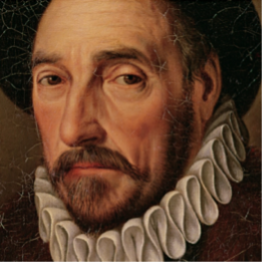
It should be easy to be human. After all, what else can we be? But when it comes to how we communicate with others and how we present ourselves to the world, we often hesitate to reveal our full humanity—our flaws and fears, our confidences and contradictions, and the many complexities that constitute our unique, imperfect selves. This course will consider the personal essay as a unique vehicle for both expressing and wrestling with our humanity. We’ll read personal essays by the inventor of the form, Michel de Montaigne, as well as work by celebrated 20th and 21st century essayists like James Baldwin, E.B. White, Leslie Jamison, Hanif Abdurraqib, and Zadie Smith. Along the way, we’ll examine how the personal essay can model habits of mind like intellectual confidence, humility, and self-scrutiny. We’ll also wrestle with complex questions about authenticity, voice, and honesty in the age of AI-generated writing. |
McCullough, Meredith | MWF 10-10.50 |
| FWIS 283 |
NEW Medieval Love, Sex, and Gender View Description
According to an oft-quoted maxim, writing about music is like dancing about architecture. Indeed, the magic of music seems impossible to capture within the confines of language. Yet, this constraint also makes music an ideal subject to explore the power of the written word. This course offers a workshop for students to develop their research and writing practices centered around readings and discussion about Heavy Metal music. Metal is among the most popular musical styles around the globe. Yet, Metal music is also deeply misunderstood. From fears about its satanic themes to criticisms dismissing it as mere “noise,” Metal provides a compelling subject to study how music reflects broader concerns about society. In this writing-intensive seminar, students will develop their research and writing practices through readings and discussions centered on Heavy Metal and Popular Music Studies. Through various assignments, students will practice writing about the intricate relationship between music, culture, and society. |
Coughlin, Eilis | MW 4-5:15 |
| FWIS 285 |
NEW Utopias and Dystopias View Description
Lorem ipsum dolor sit, amet consectetur adipisicing elit. Quidem quod dolorum perspiciatis blanditiis eaque, sit placeat fuga rerum neque tempore nisi nobis molestias nihil cumque cum aliquid nemo odio dolores. |
Duquet, Valentin |
TTh 10:50-12:05 |
| FWIS 287 |
Country Music View Description
This course introduces students to the critical and historical study of science, technology, |
Ray, Patrick | TTh 9:25-10:40 |
|
2 Sections |
How to be Human View Description
What does it mean to grow up in a world where, as the cliché goes, it is easier to imagine the end of the world than it is to imagine the end of capitalism? And to be enmeshed in a dehumanizing system of technological efficiency and optimization from the moment one enters school? What does it mean to live in a world of lofty promises about renewables and sustainability while witnessing the acceleration of the climate catastrophe? And to inhabit a violently unjust social order that nonetheless touts its own tales of progress? For some, it means very little – these are simply the contradictory conditions of the modern world. For others, however, awareness of these conditions can lead to irony, cynicism, and nihilism. This course aims to explore—and ultimately stave off—nihilism by thinking through it via discussions of art, literature, philosophy, and popular culture. |
Nixon, Burke |
MWF 2-2:50 MWF 3-3:50 |
| FWIS 289 |
Fembots: Women and AI View Description
What makes a cultural product "Jewish," and what makes it "modern"? This course approaches Judaism not merely as a religion but as a rich cultural tradition spanning diverse languages, geographies, and aesthetic forms. We examine major works of Jewish thought and art from the early nineteenth century to the present, drawing on philosophical essays, prose fiction, poetry, memoir, film, and visual art from the Ashkenazi and Sephardic diasporas, the Hebrew and Yiddish literary traditions, and Jewish communities across Europe, the Middle East, the Americas, and Israel. |
Richardson, Laura | TTh 1-2:15 |
|
2 Sections |
NEW Be Less Trashy! View Description |
Smith, Amanda |
TTh 9:25-10:40 TTh 10:50-12:05 |
| FWIS 297 |
Science or Pseudoscience View Description |
Cone, Michael | MWF 3-3:50 |
| FWIS 299 |
NEW The Lucky Course: Logics of Fortune and their Cultures View Description |
Brunton, Judith | TTh 4-5:15 |