
Fall 2026
To choose your preferred course, review the descriptions below, then find the appropriate section in the Course Scheduler.
| Course | Title | Instructor | Course Meeting |
|---|---|---|---|
| FWIS 101 |
NEW The Trojan War View Description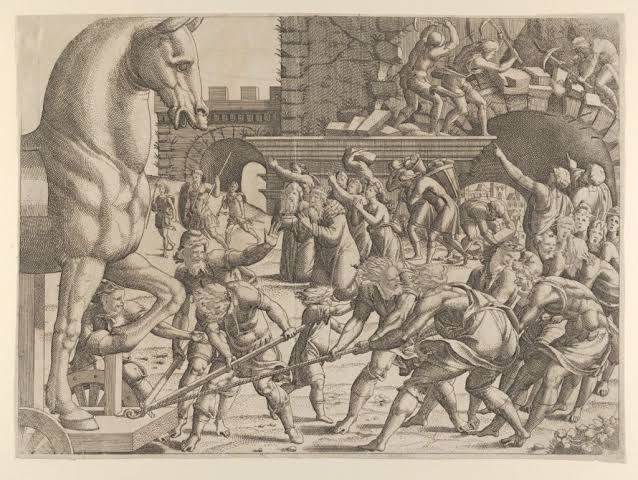
For over two thousand years, the story of the Trojan war has been rehearsed, sung, performed, written, and reinscribed into countless cultures across the world. From the anger of Achilles to the beauty of Helen to the judgement of Paris to the return of Odysseus, the network of narrative surrounding this event and the potential for its retelling has thrived and produced a myriad number of new artistic expressions over the centuries, each of which bear unique potentials for meaning. This course will immerse students in Homer and the Trojan War tradition across multiple forms of artistic media. Centering on two specific temporal reference points—the original Homeric period and the 21st century—we will cover poetry, novels, paintings, tv shows, and cinema. As we analyze a variety of artistic artifacts, we will recurrently search for and interrogate the appeal of the Homeric narrative itself. |
Horne, Evan | MWF 1-1:50 pm |
| FWIS 102 |
Blind Spots View Description
The blind spot of “the act of seeing” is its social construction, its ideological nature. This seminar unveils the various historical, political, economic, and social “filters” that condition our decoding of visual information. This writing seminar aims at developing skills to de-naturalize the “act of seeing.” Students will learn various theories and acquire the necessary tools for engaging critically, the visual world around them. |
Duno-Gottberg, Luis | TTh 8-9:15 am |
| FWIS 103 |
Writing about the Arts View Description
This course will focus on historical art forms and their cultural context and aesthetic qualities. How does one put into words one’s ideas and feelings about something that is non-verbal? The course will cover a great range of art, including painting, photography, architecture, film, and even music. Writing about the visual arts and music takes some practice and application, but can also be highly gratifying. The in-class discussions will center on art forms from Europe and North America, but student papers might focus on works of art from around the world. Types of writing might include objective formal analysis, enthusiastic art appreciation, art criticism, and describing imaginary or fictional art, a kind of writing that one sometimes sees in novels or poetry.. |
Manca, Joseph | MW 2-3:15 pm |
| FWIS 108 |
From the China Desk View Description
This course will require students to read critically, discuss, synthesize, summarize and analyze writings about the contemporary affairs of the People’s Republic of China. The students will become familiar with a range of basic documentary sources – official press releases, government reports, diplomatic cables – and also popular and academic secondary sources – news reports, editorials, feature stories and academic research articles and policy reports prepared for government agencies and NGOs. The materials will not require deep background knowledge of Chinese history, and all of them will be in English. The materials will be carefully chosen to comprise a relatively light work load in reading such that the students can focus on developing their communication skills, and also constitute a fairly consistent and predictable work load throughout the semester. Students will be taught how to concisely summarize documents in weekly reports, and also prepare news stories, editorials and policy briefs. |
Lewis, Steve | TTh 4-5:15 pm |
| FWIS 109 |
Newsroom 101 View Description
In an era of rapidly evolving media landscapes, the ability to gather, evaluate, and present factual information is more crucial than ever. This writing-intensive course immerses students in the practice and principles of journalism, focusing on core skills like reporting, writing, fact-checking, and ethical decision-making. |
Evans, Christopher | TTh 10:50 am -12:05 pm |
| FWIS 113 |
NEW Media Politics & the Midterms View Description
This course offers an in-depth examination of the 2026 American midterm election by focusing on the election’s rhetoric and media as well as on its broader social and historical context. By analyzing media coverage of the election, students will hone their ability to recognize rhetorical strategies, assess media framing, examine appeals in relation to different audiences, and evaluate the effectiveness of campaign messaging. This real-time study of the election and its coverage will enrich students’ understanding of American politics and cultivate the critical thinking skills essential for navigating our media landscape. To develop a more nuanced understanding of what is driving the midterms, students will also examine four social and historical forces that are shaping the broader contours of American politics: political polarization, economic inequality, American nationalism, and our complex media ecosystem. Examining these forces will yield insights into voter behavior, electoral outcomes, and the overall health of American democracy. |
Mayes, Liam | MW 2-3:15 pm |
| FWIS 119 |
Life Writing View Description
“People become the stories they hear and the stories they tell.” So wrote Elie Wiesel after struggling for a decade thinking about whether and how he would tell his story of the Holocaust, a story that became the memoir “Night.” If it is true that in some important sense, we are our stories, we do well to reflect on those that mean the most to us, those that we return to and those that come to us along the way, surprising and changing us. We will read and discuss diverse historical and contemporary examples of “life writing,” including memoirs, biographies, autobiographies, diaries, and letters. We will also do “field work,” collecting stories from friends, family members, or public figures. Our field experiences will be shared and workshopped, and we will use writing and/or visual storytelling to produce “unfinished memoirs” by the end of the semester. |
Monroe, Bill | MW 2-3:15 pm |
| FWIS 121 |
NEW Hawai'i & US Pacific Empire View Description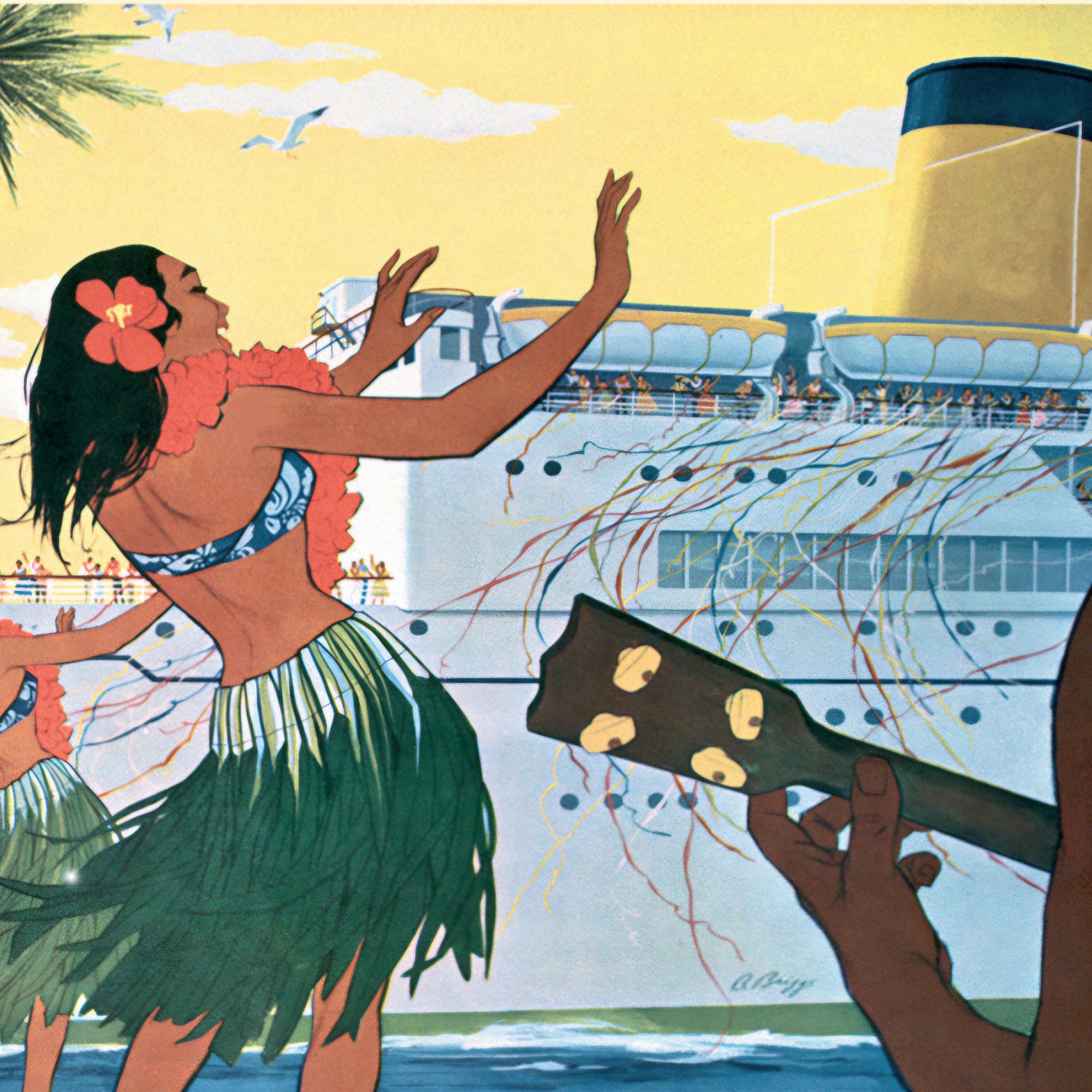
Hawai‘i was more than a tropical paradise or strategic naval outpost—it actively shaped the U.S. Pacific empire. This course traces Hawai‘i from an independent kingdom to U.S. territory and statehood, examining how Native Hawaiians, Asian settlers, and migrant communities navigated and resisted imperial structures. Students analyze cultural exports such as hula and surfing, Hollywood films, and tourism campaigns to explore how Hawai‘i influenced American identity and global perceptions. Writing is central: students complete reading responses, book reviews, and a research project culminating in a multimedia presentation. Through historical inquiry, students connect local Hawaiian history to global contexts, developing critical thinking, writing, and oral communication skills while investigating the intersections of empire, culture, and resistance in a trans-Pacific framework. |
Zhang, Bohan | MWF 9-9:50 am |
| FWIS 124 |
Witnessing the Holocaust View Description
This course will examine selected testimony given by Holocaust survivors. Their testimony varies according to time and the circumstance in which it was given, and also according to the genre (memoir, drama, or film) in which it is presented. Representation then will also be a continuous field of exploration throughout the course, as students will examine how to speak and write about this challenging topic. This class will ask students to think about one of the most defining periods in 20th century western history. While most students have been exposed to the history of the Holocaust in high school and through the US media, this course offers them a new perspective through personal testimony. Students will be introduced to critical and interpretive methods/approaches through which they can recover new ways of understanding history and culture, and alien (to them) ways of understanding society. |
Oesmann, Astrid | MWF 1-1:50 pm |
| FWIS 125 |
Writing with AI View Description
In an age where technology and AI are transforming every aspect of life, understanding and utilizing these advancements in academic and professional contexts has become a necessity. This course, Writing with AI, is designed to help students use the power of AI in their writing and communication skills ethically, responsibly, and effectively. As effective communication is fundamental to success in both academic and professional arenas, this course will focus on developing strong writing and speaking skills, underpinned by the use of generative AI tools. More specifically, we will cover a wide range of topics, including generative AI writing capabilities, the ethical use of generative AI, and the role of generative AI in education generally and writing specifically. By the end of this course, you will have a better understanding of the latest trends in AI-assisted writing and how they are transforming the way you learn. While gaining insights into these topics, the main goal is to provide you with an opportunity to develop your writing and communication skills through a variety of readings and assignments. |
Garib, Ali | TTh 2:30-3:45 pm |
| FWIS 126 |
Black Mirror and Philosophy View Description
This course examines key philosophical questions through the lens of Black Mirror, the Netflix anthology series that explores the dark intersections of technology and human nature. Pairing episodes with philosophical texts, students will critically engage with issues that shape their daily lives. Is democracy truly the best form of government? (The Waldo Moment). How much freedom should individuals have in speech and action? (Hated in the Nation, Nosedive). Do I have free will? (Bandersnatch). If not, am I still responsible for my actions? (White Bear). What makes me the same person over time? (San Junipero). What are my moral obligations to others—human, animal, or artificial? (Be Right Back). By analyzing these themes, students will deepen their understanding of contemporary ethical dilemmas and the evolving relationship between technology and society. |
Pinto, Daniel | TTh 4-5:15 pm |
| FWIS 130 |
Posthumanism View Description
In this class, we will explore shifting definitions of the “human” in an increasingly technologized world through E.M. Forster’s “The Machine Stops” and Jeanette Winterson’s Frankissstein. We will examine how literature has shaped and challenged ideas about human identity, autonomy, and superiority and question whether the state of being human is fixed or fragile. Drawing from posthumanist theory, we will investigate how advances in digital technology and medical science are complicating our understanding of humanity. We will consider ethical questions about human rights - and who/what has rights to them - cyborgization, and what it means to lead a posthuman existence. Ultimately, we will ask whether we can survive the posthuman world we are creating. |
Smith, Amanda | TTh 1-2:15 pm |
| FWIS 132 |
Slavery on Film View Description
This course looks at the ways that major Hollywood films have dealt with chattel slavery and its legacies in the United States. We begin with two of the earliest films made about slavery that are not explicitly racist and then move on to films made during the 1990s and afterwards. We will watch and discuss those films in the chronological order of their subject matter (rather than in the order in which they were made). We will finish the semester discussing several films set in the post-emancipation United States that deal with the cultural, social and political afterlives of slavery (e.g. Get Out and Sinners). Throughout the semester, our focus will be on the ways that “Hollywood” has dealt with racial slavery in the Americas and on the ways that filmmakers interpret and tell stories about important aspects of history. |
Sidbury, James | MWF 11-11:50 am |
| FWIS 133 |
NEW What Makes Life Meaningful? View Description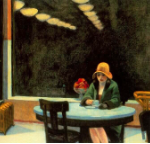
We invest time and energy in education, careers, relationships, and self-improvement, often unsure whether these pursuits make our lives meaningful or simply keep us busy. This course shifts from abstract questions about existence to a more immediate one: What makes life meaningful? Drawing on analytic and existential philosophy alongside literature and film, students examine competing theories of meaning in life. We consider whether meaning depends on happiness, morality, achievement, narrative, or something else entirely, and test these ideas against everyday experience. As a writing seminar, the course emphasizes clear and rigorous argumentative prose. Students will analyze philosophical arguments, interpret cultural texts, and develop sustained arguments of their own. By the end of the semester, students will be prepared to defend a carefully reasoned position about what makes a life meaningful. |
Havens, Dallas | MWF 9-9:50 am |
| FWIS 134 |
Meiji Japanese Women’s Literature View Description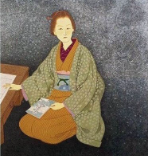
This writing-intensive seminar examines Meiji period (1868-1912) women’s writings and what they tell us about women’s lives and cultural output at the start of Japan’s modern period. We will discuss fiction, speeches, diary entries, and newspaper articles and their historical, cultural, and literary contexts. Women were at the heart of transformations in education, the law, print media, and art. Students will participate in presentations that analyze women’s place in visual culture, fashion, and education of the period and these depictions still impact women’s social and literary identities today. |
Suzuki, Mamiko | MW 4-5:15 pm |
| FWIS 138 |
NEW Conspiracy View Description
What is a conspiracy theory? How do we distinguish between paranoia, political critique, and hidden truth? If one person’s conspiracy theory is another person’s reality, who gets to decide what is credible? This seminar examines global conspiracy theories, analyzing them as narratives emerging from specific historical conditions, media environments, and power structures. |
Lundquist, V | MWF 10-10:50 am |
| FWIS 139 |
NEW Iranian Cinema View Description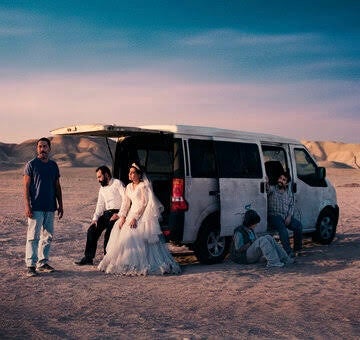
Iranian cinema is renowned worldwide for being both artistic and deeply emotional, often thriving despite strict government regulations. Because they have to follow strict censorship, filmmakers have become creative by using simple, low-budget stories that focus on real life rather than flashy spectacles. Generations of Iranian film directors have won top honors at major film festivals like Cannes, Berlin, and the Oscars. Key elements of Iranian cinema include Realism (everyday settings and non-professional actors to tell authentic, intimate stories); Subtlety (metaphors and hidden meanings to explore sensitive social issues, without directly violating censorship laws); and Universal Themes (human stories that anyone can relate to, such as honesty, dignity, and resilience). The course is structured around three writing assignments (analysis, argumentative, and a final research paper) based on seven major films, with class time divided between screening key scenes and discussion. Students can access the films through Fondren Library. |
Zafaranian, Neda | TTh 9:25-10:40 am |
| FWIS 141 |
Storytelling in the Sciences View Description
Scientists constantly share their discoveries through various storytelling methods, including journal articles, press releases, podcasts, books, and even comics. Communicating scientific ideas effectively is crucial, as different audiences—ranging from experts in the field to the general public—require tailored approaches. This course examines how scientific findings evolve across various formats and media. |
Yu, Lam | TTh 9:25-10:40 am |
| FWIS 144 |
Snake Venoms View Description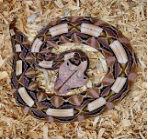
Snake venoms are mixtures of toxic components used to capture prey, to predigest prey, or to defend from attack. This course will focus on snake venoms to explore what we understand about venom biology, envenomation as a global health crisis, and venoms as a natural source of novel medications. Readings and discussions will span a variety of subject areas: biology, chemistry, epidemiology, medicine, pharmaceutics, etc. This course is open to all, regardless of your scientific knowledge; a major part of the course will be to learn to work with information that is not immediately familiar. |
McCabe, Tom | TTh 4-5:15 pm |
| FWIS 149 |
Doing Things with Words View Description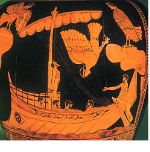
All epics are “wordy.” But Homer’s Odyssey reflects a particular fascination with the versatility and potency of the spoken word. The text showcases verbal performances of many types. Close examination of these performances—their contexts, and the effects they have on tellers and audiences—suggests that the Odyssey is a text that invites us to consider the power of words to heal or to harm. In this course we will focus on that idea. Students will be encouraged to arrive at their own understanding of the poem’s meaning. They will also be encouraged to use its content as a starting point for reflecting on the role and appropriate use of words in their own lives, both on and off campus—how to use language responsibly and with integrity when giving presentations and in class discussions, when writing academic papers, and in other academic and non-academic contexts. |
Mackie, Hilary | TTh 2:30-3:45 pm |
| FWIS 150 |
World of Medieval Medicine View Description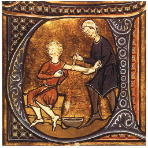
This course thus traces some of the basic information and relational structures necessary to make sense of the broader culture in which medieval Christians understood human bodies and treated mental and bodily illness. How did their experiences of pain, sex, childbirth, and death interact with larger concepts of God, nature, and the heavens? What role did angels and demons play? First-hand accounts by medieval writers provide the main platform from which we get a picture of medieval people’s relation to their own bodies and the world around them. Secondary readings are drawn from history (especially history of medicine), ritual studies, and psychology. |
Fanger, Claire | TTh 2:30-3:45 pm |
| FWIS 151 |
NEW Animals in Culture View Description
Drawing on cultural representations and animal fads from across the world, this course invites students to critically explore our relationship with animals in our current globalized, consumerist, and polarized societies. The course specifically invites students to explore the contemporary fascination with cute and weird animals (e.g. such as sloth, capybara, and axolotl). The course asks what our treatment and representation of animals reveal about power, identity and consumption, and the human/nonhuman divide in the 21st century. Students will discuss how animals shape—and are shaped by—contemporary culture, politics, media, and science, and how, in turn, animals and their different forms of perception and being in the world and their representation shape us humans. Overall, the course shows that animals are central to human ways of knowing, imagining, and existing in the world. |
Esch, Sophie | TTh 1-2:15 pm |
| FWIS 153 |
NEW Romance and Dating View Description
This course will explore how rhetoric and writing can impact romance and dating. Students will learn communication and critical thinking skills through reading and writing about romance, with particular attention to audience, context, and purpose. Our key course question is, How can writing and communication impact romantic and dating experiences? Students will conduct research in rhetoric and social sciences to learn about dating practices and how identity markers influence romantic relationships. Students will move through a variety of assignments, such as a rhetorical analysis of a dating profile, to learn more about romance, dating, and rhetoric. |
Walston, Lexi | TTh 1-2.15 pm |
| FWIS 156 |
NEW Care in Crisis View Description
This course examines care and inequality in a world interconnected by histories and legacies of slavery, colonialism, and imperialism. The labor of care, which includes feeding, cleaning, and nursing others, “is the work that makes all other work possible” (National Domestic Workers Alliance). However, it is often underpaid and exploitative, creating conditions where people who provide care often cannot access reciprocal means to live. To understand the contemporary crisis in care, this course examines the histories of slavery, gendered servitude, immigration, and unequal economic development. We’ll explore how everyday relationships and seemingly depoliticized sites of family both reflect and shape gendered, classed, and racialized hierarchies locally and transnationally. Ordinary people and workers, however, also contest this power structure. In this class, we will read, discuss, and engage with ongoing movements to counter the systemic devaluation of care in the US and elsewhere in the world. |
Choi, Da In | MW 4-5.15 pm |
| FWIS 163
2 Sections |
NEW Exploring Houston's Art World View Description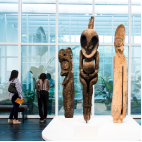 Although Houston is widely known as the Space City and the Energy Capital of the World, it is also home to one of the most diverse and historically important art scenes in the US. This course explores the breadth and depth of Houston’s art world by examining a selection of art museums, centers, and galleries within and beyond the Museum District, including Project Row Houses and the University Museum at Texas Southern University. For each site, we will consider its institutional history, mission statement, curatorial approach, and community engagement. We will also highlight the African American, Latin American, and Asian contributions to the making of Houston’s vibrant artistic landscape and delve into the city’s history of racial segregation and immigration. Students will experiment with a variety of writing genres such as museum wall labels and exhibition reviews and will collectively create an audio guide for navigating Houston’s art world. Although Houston is widely known as the Space City and the Energy Capital of the World, it is also home to one of the most diverse and historically important art scenes in the US. This course explores the breadth and depth of Houston’s art world by examining a selection of art museums, centers, and galleries within and beyond the Museum District, including Project Row Houses and the University Museum at Texas Southern University. For each site, we will consider its institutional history, mission statement, curatorial approach, and community engagement. We will also highlight the African American, Latin American, and Asian contributions to the making of Houston’s vibrant artistic landscape and delve into the city’s history of racial segregation and immigration. Students will experiment with a variety of writing genres such as museum wall labels and exhibition reviews and will collectively create an audio guide for navigating Houston’s art world. |
Lee, Lynne |
MWF 10-10:50am MWF 1-1:50pm |
| FWIS 165 |
Fake News and Democracy View Description
This writing-intensive seminar examines how and why the spread of disinformation has become increasingly more prevalent in our 21st century society and what impact it has on our democratic processes. We will take an interdisciplinary approach to discussing fake news, drawing from history, philosophy, journalism, media studies, and political science. |
Huseby, Amy | TTh 10:50 am -12:05 pm |
| FWIS 166 |
Exploring the World Through International Education View Description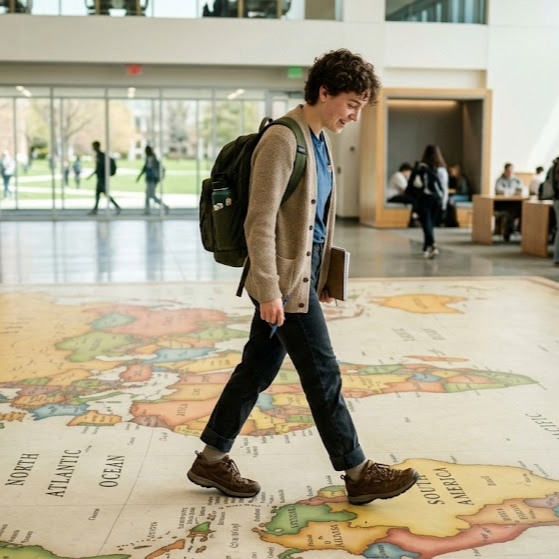
Higher education serves as a hub for global understanding. Every year the USA hosts about one million international students from across the globe, and almost 200,000 US students choose to study abroad. International education provides unique opportunities to integrate into a new culture, interact meaningfully with people in the host country, and encounter a new academic experience. |
Baker, Adria Wilson, Jennifer |
MW 2-3:15 pm |
| FWIS 169 |
Memory Wars View Description
How do we respond to a traumatic event? Anger, denial, acceptance, reconciliation… there are many stances we can take toward a harmful act we have experienced or committed in the past. When entire populations have suffered or perpetrated crimes against humanity, the question of how to deal with this catastrophic event can spark a full-blown memory war. This seminar explores how the Holocaust, slavery, and apartheid continue to shape communities and individuals in Germany, South Africa, and the U.S. Students will examine the challenges of reckoning with historical trauma. We will inquire into the power of literature and the arts to serve as tools for healing and social justice in a society at war with its past. Readings include acclaimed writers from Paul Celan and Toni Morrison to Trevor Noah. Topics include transgenerational trauma; Germany’s and South Africa’s so-called “ethical turn in memory culture;” punitive vs. restorative justice. |
Suetterlin, Nicole | W 3-5:30 pm |
|
2 Sections |
NEW Science, Culture, and Self View Description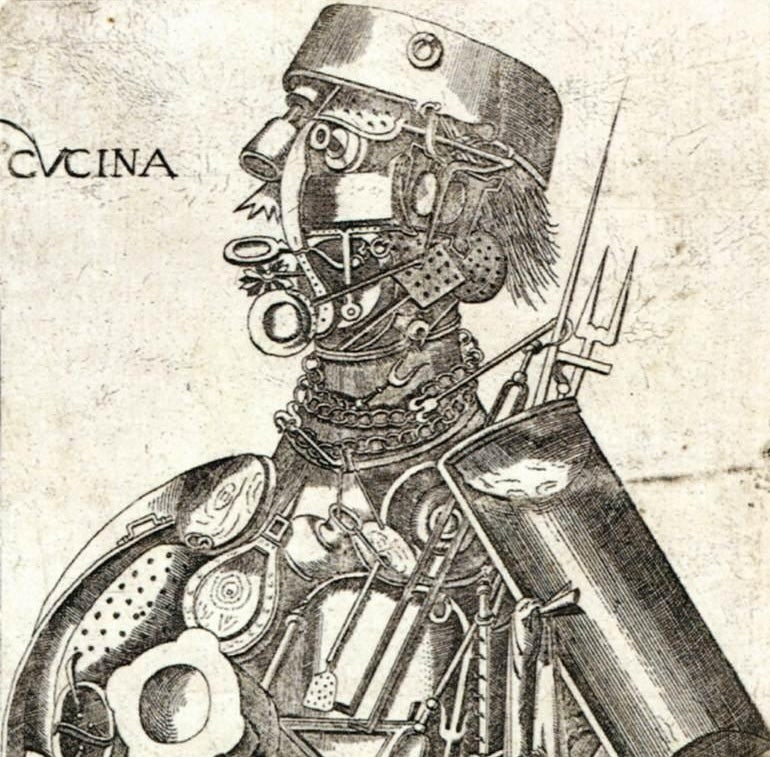
Our daily lives have been increasingly entangled in technological devices. Nearly half of Americans use a device that tracks their health, almost two-thirds use generative AI, and three-quarters use some form of social media. By introducing students to foundational works of science and technology studies (STS), anthropology, feminist theory, fiction, and film, this class asks: how do science and technology shape our understanding of ourselves, our culture, and our worlds? We will examine how science and technology are not neutral or objective but are instead shaped by social values, relations of power, and politics. Then, by reading case studies on various technologies, we will analyze how innovations shape understandings of race, gender, health, and more. Beyond looking at the potential dangers of science and technology, we will also engage with thinkers who speculate on the liberatory potential of technological innovation. |
Georgic, Quinn |
MWF 10-10:50am MWF 11-11:50 am |
| FWIS 175 |
What is a Disaster? View Description
What is a “natural” disaster? What is the difference between a natural and man-made disaster? How do we collect information before and after a disaster event, and how do the processes of curation and memory-keeping frame our understanding of community resilience and humanitarian response? |
Graham, Lindsay | MWF 9-9:50 am |
| FWIS 176 |
East Asian Performance Studies View Description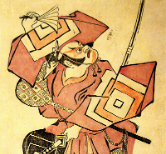
This course introduces students to performing arts of China, Japan, and Korea, like Noh, P’ansori, Beijing opera, and Butoh, with a focus on their psychological and multimedia aspects. We will introduce the field of performance studies, including how to think and write about singing, dancing, storytelling, and drama from perspectives like ritual, gender, musicology, choreography, costume, stage design, and literary criticism. Readings/viewings will be in translation/subtitled, and no background in East Asian languages is required, but interested students may request help with locating and analyzing original-language material. |
Schoenberger, Casey | TTh 9:25-10:40 am |
| FWIS 177 |
Storytelling in Buddhism View Description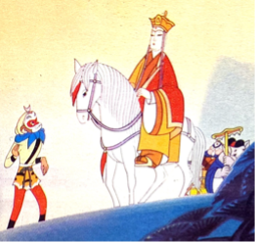
Storytelling is central to the human experience, shaping our perceptions, identities, ethics, aesthetics, and histories. Buddhist traditions offer a rich body of models for understanding the role of storytelling in human cultures. This course explores the many varieties and roles of storytelling in Buddhist traditions from different regions and times across history. Taking a broad view of narrative, we examine oral and written literature, visual artworks, performances, and new media created for different reasons and used in diverse ways. Emphasizing concerns of form, we discuss issues of structure, genre, and medium that are widely relevant to human expression. Delving into specifics of context and function, we also see how narratives may relate intimately to specific authors or audiences and may change as they are retold by others. No prior knowledge of Buddhism is necessary. |
Huntington, Eric | TTh 1-2:15 pm |
| FWIS 178 |
God, Suffering, & Morality View Description
This writing-intensive seminar will focus on major questions and debates in western philosophy of religion. Can philosophical arguments show that there is a God as traditionally conceived? Does the clear existence of radical evil and suffering give us good reasons to deny God’s existence? Can religious commitment be rational? How should we think about the relationship between God and morality? Arguments on various sides–theism, atheism, agnosticism, etc. –will be presented fair-mindedly. Students will be given the tools to articulate and evaluate several perspectives on these issues, including how they apply to their own lives. |
Saenz, Victor | TTh 10:50 am -12:05 pm |
| FWIS 184 |
NEW The Science of SciComm View Description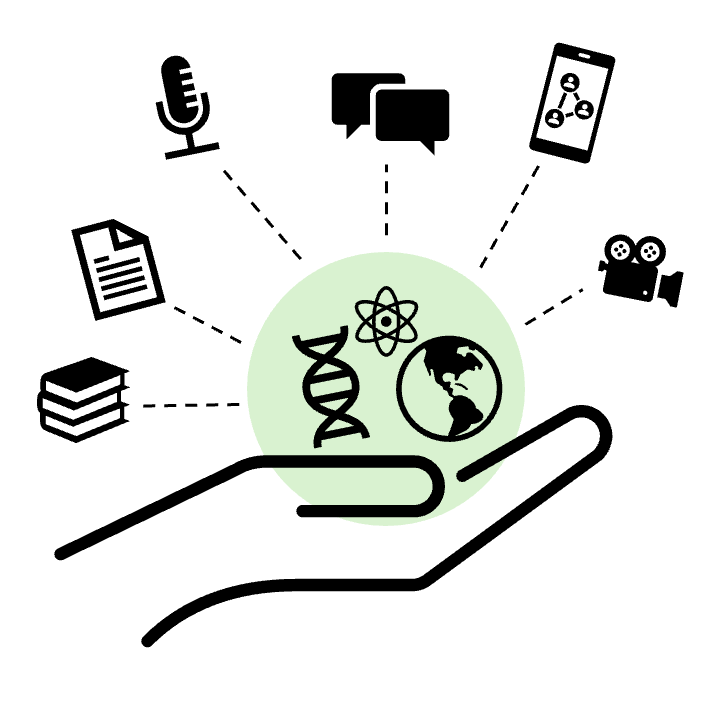
Science is viewed as objective truth, but the way we understand and feel about science is shaped by the language we use to describe it. Viruses are “invaders” attacking the body, gene variants are “mutations,” and the mitochondria are the “powerhouse” of the cell—these metaphors help us visualize scientific phenomena, but how do they shape our perceptions and emotional response? How do these simplifications illuminate or obscure the complexities of scientific discovery? |
Monette, Callan | TTh 10:50 am -12:05 pm |
| FWIS 186 |
NEW Nature, Media & Meaning View Description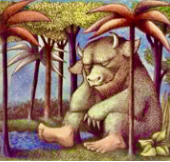
What is “nature” and what does it look like in contemporary cultural representations? In this course, we will analyze texts and media objects—such as videos, film, posts and art works—that focus on nature as a subject. We will consider how environmental issues are crafted into mediated debates: that is, how narratives are created around certain phenomena (like climate change) and how images, sound, pacing, text and tone are used to elicit responses from audiences—like concern, empathy or joy. Our concept of nature and environment will be broad: in some cases, it will be a relatively pristine site in need of conservation and in other cases these will be environments that are profoundly altered by human intervention. We will look to creatures, places and earth systems for inspiration. Overall, students will learn to careful read, interpret and write about nature as a dynamic social subject that is at the very center of many challenges and opportunities around the world today. |
Howe, Cymene | TTh 2:30-3:45 pm |
| FWIS 187 |
Country Music View Description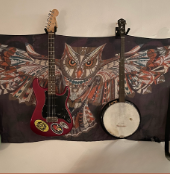
This course explores the lineage of country music from its earliest beginnings through its various branches to its most modern forms, analyzing structural and cultural influences along the way. Students will engage critically with well-known country music as well as lesser-known artists from across a 100+ year history of a uniquely American art form. In addition to exploring the roots of the genre, students will explore its meandering path along the way, ending with the many forks that exist today, some of which might be unrecognizable to progenitors of the genre, to finally answer the question, “What IS country music?” |
Ray, Patrick | TTh 9:25-10:40 am |
| FWIS 188 |
How to be Human View Description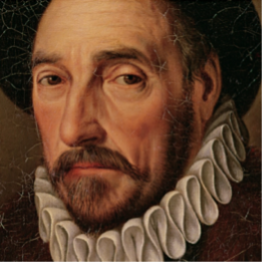
It should be easy to be human. After all, what else can we be? But when it comes to how we communicate with others and how we present ourselves to the world, we often hesitate to reveal our full humanity—our flaws and fears, our confidences and contradictions, and the many complexities that constitute our unique, imperfect selves. This course will consider the personal essay as a unique vehicle for both expressing and wrestling with our humanity. We’ll read personal essays by the inventor of the form, Michel de Montaigne, as well as work by celebrated 20th and 21st century essayists like James Baldwin, E.B. White, Leslie Jamison, Hanif Abdurraqib, and Zadie Smith. Along the way, we’ll examine how the personal essay can model habits of mind like intellectual confidence, humility, and self-scrutiny. We’ll also wrestle with complex questions about authenticity, voice, and honesty in the age of AI-generated writing. |
Nixon, Burke | MWF 1-1:50 pm |
| FWIS 189 |
Heavy Metal & Society View Description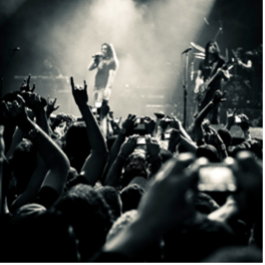
According to an oft-quoted maxim, writing about music is like dancing about architecture. Indeed, the magic of music seems impossible to capture within the confines of language. Yet, this constraint also makes music an ideal subject to explore the power of the written word. This course offers a workshop for students to develop their research and writing practices centered around readings and discussion about Heavy Metal music. Metal is among the most popular musical styles around the globe. Yet, Metal music is also deeply misunderstood. From fears about its satanic themes to criticisms dismissing it as mere “noise,” Metal provides a compelling subject to study how music reflects broader concerns about society. In this writing-intensive seminar, students will develop their research and writing practices through readings and discussions centered on Heavy Metal and Popular Music Studies. Through various assignments, students will practice writing about the intricate relationship between music, culture, and society. |
Broess, Erik | TTh 1-2:15 pm |
| FWIS 190
2 Sections |
NEW Be Less Trashy! View Description
Lorem ipsum dolor sit, amet consectetur adipisicing elit. Quidem quod dolorum perspiciatis blanditiis eaque, sit placeat fuga rerum neque tempore nisi nobis molestias nihil cumque cum aliquid nemo odio dolores. |
Smith, Amanda |
TTh 9:25-10:40 am TTh 10:50 am -12:05 pm |
| FWIS 192 |
NEW "The Scientific Revolution” View Description
This course introduces students to the critical and historical study of science, technology, |
Tomasson, Julia | MWF 1-1:50 |
| FWIS 195 |
On Nothing: Nihilism & After View Description
What does it mean to grow up in a world where, as the cliché goes, it is easier to imagine the end of the world than it is to imagine the end of capitalism? And to be enmeshed in a dehumanizing system of technological efficiency and optimization from the moment one enters school? What does it mean to live in a world of lofty promises about renewables and sustainability while witnessing the acceleration of the climate catastrophe? And to inhabit a violently unjust social order that nonetheless touts its own tales of progress? For some, it means very little – these are simply the contradictory conditions of the modern world. For others, however, awareness of these conditions can lead to irony, cynicism, and nihilism. This course aims to explore—and ultimately stave off—nihilism by thinking through it via discussions of art, literature, philosophy, and popular culture. |
Klein, Andrew | MWF 1-1:50 |
| FWIS 196 |
NEW Modern Jewish Culture View Description
What makes a cultural product "Jewish," and what makes it "modern"? This course approaches Judaism not merely as a religion but as a rich cultural tradition spanning diverse languages, geographies, and aesthetic forms. We examine major works of Jewish thought and art from the early nineteenth century to the present, drawing on philosophical essays, prose fiction, poetry, memoir, film, and visual art from the Ashkenazi and Sephardic diasporas, the Hebrew and Yiddish literary traditions, and Jewish communities across Europe, the Middle East, the Americas, and Israel. |
Telem, Ido | TTh 10:50-12:05 |